
Global Roaming Without the Shock: Why International eSIM Is Your Ultimate Travel Upgrade
A traveler lands in Tokyo and, within seconds, their phone connects to a local network at local rates—no physical SIM swap, no airport kiosk queue. An international eSIM is a digital SIM embedded in your device that lets you download and switch between mobile plans from global providers instantly. Its core benefit is seamless, true global connectivity without ever needing to Singapore eSIM hunt for a plastic card or overpay for roaming. Simply purchase a plan online, scan a QR code, and activate data coverage across hundreds of countries.
Why Travelers Are Ditching Physical SIM Cards
Travelers are ditching physical SIM cards for international eSIM because it removes the hassle of hunting down a local store or swapping tiny cards at airports. You simply buy and activate a data plan online before your trip, landing instantly connected without fumbling with a SIM tray.
No more worrying about losing your original SIM or dealing with restrictive carrier locks.
eSIMs also allow you to keep your home number active for calls and 2FA while using a separate data plan for maps and translations, all managed from your phone’s settings. It’s pure convenience—one less physical thing to lose or break.
How Embedded SIM Technology Simplifies Connectivity Abroad
When traveling abroad, embedded SIM technology removes the need to source, purchase, and physically swap a local carrier’s plastic chip upon arrival. Instead, users activate a remote international data profile directly from their device’s settings, often within seconds. This capability eliminates the risk of losing the original home SIM or fumbling with tiny trays in airports. Because the profile is stored on a non-removable chip, it can be deleted or switched between providers without any physical interaction, allowing seamless transitions between regional carriers as a user crosses borders.
The Hidden Costs of Roaming vs. a Digital Alternative
Roaming might seem simple, but hidden roaming fees like daily connection charges, per-kilobyte rates, and surprise taxes can inflate your bill. A digital alternative eliminates this opacity—you pay a fixed price upfront with no extras. No more returning home to find a $50 “administration fee” just for switching networks. Q: How do data speeds compare when roaming vs. using a digital SIM? A: Roaming often throttles you to 3G after a few MB, while an eSIM lets you pick a local 4G/5G network directly, avoiding any slowdowns.
Key Benefits of Staying Connected Without a Plastic Card
Staying connected internationally via an eSIM eliminates the frantic search for a physical SIM vendor after landing. You purchase and activate a plan from home, securing instant data access the moment your plane touches down. This digital profile lets you switch between local carriers for the best rates without juggling flimsy plastic cards. That saved time and convenience is the core advantage. A common question: “Can I keep my home number active while using an international eSIM?” Yes, most modern smartphones support a dual-SIM setup, allowing your physical card to receive calls and texts while the eSIM handles data, keeping both worlds seamless.
Instant Activation Before You Even Board the Plane
With an international eSIM, you experience instant activation before you even board the plane. There is no trip to a store or swapping of tiny plastic chips. You purchase and install the eSIM profile from your home Wi-Fi, inputting a QR code or downloading an app. By the time your flight takes off, the eSIM is live and ready to connect. This means you land in a new country with immediate data access, skipping airport kiosk queues and price-gouging roaming plans. You are operational the moment your wheels touch the tarmac, not after a frantic search for a local SIM vendor.
Keeping Your Home Number Active While Using a Local Data Plan
Keeping your home number active while using a local data plan via an international eSIM eliminates the risk of losing two-factor authentication access. Since your physical SIM remains in the device, calls and SMS to your primary number still reach you, even when mobile data routes through the eSIM’s local network. This setup avoids the logistical hassle of swapping cards or porting numbers. The critical benefit is continuous dual-number functionality, allowing seamless reception of banking codes or family calls without needing a separate roaming plan. Your home number stays reachable for emergencies, while the eSIM handles cost-effective local connectivity.
| Aspect | With Home Number Active | Without Home Number Active |
|---|---|---|
| 2FA Code Reception | Works via SMS on home line | Unavailable or requires app workaround |
| Urgent Calls | Answered as normal | Forwarded or missed |
| Local Data Cost | Low cost via eSIM plan | High roaming charges if using home line |
No More Hunting for Tourist SIM Kiosks at Airports
Forget sprinting through baggage claim to beat the line at a crowded tourist SIM kiosk. With an international eSIM, you activate your data plan the moment you land, or even before departure. No need to swap SIM trays, haggle over prices in a jet-lagged daze, or fumble with tiny plastic cards. You skip the physical SIM hunt entirely, heading straight to customs. The process is instant:
- Purchase the eSIM online before your trip.
- Scan a QR code provided in your confirmation email.
- Turn on the data plan upon arrival.
This makes avoiding airport SIM kiosk queues one of the most practical upgrades for any traveler.
Comparing the Major Providers in the Mobile Data Space
When comparing major providers for international eSIM, Airalo often feels like the budget backpacker’s choice, offering cheap regional passes but forcing you to top up manually in a pinch. Holafly tells a different story with its unlimited data, perfect for a digital nomad streaming maps all day, though you pay a premium for that peace of mind. Meanwhile, Ubigi emerges as the traveler who values reliability over flash, providing stable multi-country plans ideal for a cross-border road trip—just don’t expect the cheapest price. Nomad stands out for data-hoarding professionals who need to stack large, long-term bundles for back-to-back business trips. Each provider shapes your roaming experience differently, so your choice depends on whether you prioritize cost, unlimited access, or consistent speed across borders.
Airalo: Flexible Plans Tailored for Short Trips
For travelers needing connectivity without long-term commitment, Airalo’s flexible plans tailored for short trips are a standout option in the international eSIM space. You can pick a regional or global data pack that lasts just a week, avoiding wasted days or overpaying for unused service. The pay-as-you-go model lets you install an eSIM instantly and top up only if your journey extends. Plans range from 1 GB to 20 GB, with durations as short as 7 days, making them ideal for quick getaways or business blitzes.
- Choose validity from 7 to 30 days, matching your exact travel window.
- Top up or purchase a new pack without swapping physical SIMs.
- Activate only when you land, so your plan never starts before you need it.
Holafly: Unlimited Data Options for Heavy Streamers
For heavy streamers, Holafly offers a distinct advantage with its truly unlimited data eSIM plans, which avoid throttling after a fixed cap. This makes them ideal for continuous 4K video streaming or daily video calls abroad without monitoring data usage. Users must note these plans typically do not include a personal phone number or hotspot tethering in many regions. They also require an eSIM-compatible, unlocked phone, though installation is quick via the app.
- No data caps or speed reductions during streaming activities
- Plans cover over 160 destinations with unlimited data only
- Setup is fully digital, allowing immediate activation upon landing
- Lacks a local number and often restricts personal hotspot sharing
Nomad: Pay-As-You-Go Solutions for Frequent Flyers
For frequent flyers avoiding long-term commitments, Nomad’s pay-as-you-go international eSIM offers granular control over mobile spending. Unlike subscription models, Nomad allows travelers to purchase single-trip data packages with no monthly fees or automatic renewals. Users select from regional or country-specific plans at fixed rates, activating them only when connectivity is needed. The platform supports top-ups and multi-package storage, enabling seamless switching between destinations without reconfiguring settings. This approach suits itineraries with variable stopovers, as data is consumed only during active use. Nomad’s pricing is per-gigabyte, with no hidden throttling, making it a pragmatic choice for those who prioritize flexibility over bundled features.
Global SIM Giants: What the Traditional Telcos Now Offer
Traditional telecom giants like T-Mobile, Vodafone, and Orange now offer integrated global eSIM plans that bypass roaming add-ons. Users activate a single profile for multi-country coverage, often with priority network access on the provider’s own infrastructure. Plans typically include flat-rate data bundles for regions like Europe or Asia, with local pricing in the home currency. Roaming speeds match domestic 4G/5G where supported, though some providers cap video streaming. The key practical difference from generic eSIM resellers is direct carrier support for troubleshooting via the telco’s existing customer service channels, reducing reliance on third-party apps.
| Provider | eSIM Activation | Key Coverage Style |
|---|---|---|
| T-Mobile | In-app or QR code | Included with postpaid plans |
| Vodafone | Travel eSIM via app | Zone-based regional passes |
| Orange | Holiday eSIM on web | Country-specific daily passes |
Device Compatibility: Which Phones Support This Technology
When you’re navigating a foreign airport, you don’t want to discover your phone can’t activate the local eSIM you just bought. For international eSIM support, most recent flagship models work out of the box: the iPhone XS and newer, Google Pixel 4 and later, and Samsung Galaxy S20 series and above. Mid-range devices like the Galaxy A54 or Pixel 6a also include compatible phones for international eSIM, but some older or budget models—such as the iPhone X or Galaxy S10E from certain carriers—lack the hardware entirely. Before your trip, check the “Cellular” settings: if you see “Add eSIM,” you’re ready to go. Otherwise, you’ll need a physical SIM swap in a foreign shop.
Latest iPhones, Pixels, and Samsung Galaxy Models
The latest iPhones, including the iPhone 15 and 16 series, integrate native eSIM-only support for US models, allowing activation of international plans without a physical SIM. Pixel 8 and 9 models offer seamless dual eSIM capability, enabling one active line for home and another for global data. Samsung Galaxy S24 and S25 series support dual eSIM with carrier flexibility, though some regions require a hybrid slot for physical SIM backup.
- iPhone 16 Pro can store multiple eSIM profiles, switching instantly via settings.
- Pixel 9 supports automatic eSIM transfer from Android or iOS devices.
- Galaxy S24 Ultra allows downloading international eSIMs directly from the settings menu.
Older Handsets That Still Work With Digital Profiles
Even if your phone is a few years old, it might still handle international eSIMs without a hitch. Surprisingly compatible older handsets like the iPhone XS, XR, and later, plus the Google Pixel 3 and Samsung Galaxy S20 series, support eSIM profiles perfectly. Just double-check your exact model number, as carrier-locked phones often miss this feature. These devices store your digital plan alongside a physical SIM, letting you switch networks without a new card. For travel abroad, that dual-SIM flexibility is a lifesaver.
How to Check If Your Smartphone Is Ready
To verify your smartphone is ready for an international eSIM, first check the device’s settings menu for an “Add eSIM” or “Add Cellular Plan” option; its presence indicates hardware support. Next, confirm the phone is carrier-unlocked for eSIM activation, as locked devices often reject foreign profiles. Dial *#06# to display an EID number—if one appears, the eSIM chip is functioning. Without this 20-digit identifier, your device likely lacks the necessary embedded hardware. Finally, visit the eSIM provider’s official compatibility page, inputting your exact model number to confirm software readiness for their specific profiles.
How to Set Up a Data Plan on Your Phone in Minutes

To set up an international eSIM data plan in minutes, first confirm your phone is eSIM-compatible and unlocked. Purchase a plan from a provider like Airalo or Holafly, choosing a regional or global data package. You will receive a QR code or activation code via email. On your phone, go to Settings > Cellular/Mobile Data > Add eSIM, then scan the QR code. Once installed, label the line (e.g., “Travel Data”) and ensure it is enabled for data while your home SIM handles calls if needed. Q: What if the eSIM doesn’t activate immediately? A: Restart your phone and manually select the provider’s network in your mobile network settings. Finally, set the eSIM as your default for data roaming. You are online within minutes, avoiding physical SIM swaps.
Scanning a QR Code to Download Your Profile
To activate your international eSIM, scanning a QR code to download your profile is the fastest method. This code, provided by your eSIM provider upon purchase, contains all network credentials. Scanning the QR code instantly provisions the eSIM profile onto your device’s secure element. Ensure you have a stable Wi-Fi connection before scanning, as the download requires internet access. After the profile installation completes, activate the new cellular plan in your settings. The QR code is single-use for security; if it fails, request a fresh one from your provider. This method eliminates the need for physical SIM cards and manual APN setup.
Configuring Dual SIMs for Calls and Data Separation
To separate calls and data while traveling, configure your dual-SIM phone so your local or home SIM handles voice, and your international eSIM data plan sticks to internet. On both Android and iOS, go to SIM settings and assign your home SIM for calls and SMS, then set the eSIM as your default for mobile data. This stops roaming charges for calls while letting you use the eSIM’s cheap data. Double-check that “Calls on Other SIM” is enabled, or the eSIM might block incoming calls.
- Set your home SIM as default for voice calls and SMS.
- Assign your international eSIM as the default for mobile data.
- Enable “Allow calls on other SIM” to avoid missed calls.
- Test by making a call while using data to confirm separation works.
Managing Multiple Plans for Multi-Country Itineraries
When managing multiple plans for multi-country itineraries, prioritize eSIMs offering a global or regional data bundle to avoid juggling separate profiles. For example, a Europe-wide eSIM covers all Schengen countries with one plan, while a regional Asia eSIM spans Japan and South Korea. Alternatively, install several single-country data-only eSIMs for non-contiguous tours. Activate each plan manually via your device’s cellular settings before crossing borders to control data use and prevent unwanted roaming activation.
Compare storage vs. usage efficiency:
| Approach | Best For | Activation Method |
|---|---|---|
| Regional eSIM | Consecutive, neighboring countries | Single profile, auto-connects |
| Multiple single-country eSIMs | Non-adjacent or temporally separate stops | Manual selection per country |
Navigating Coverage and Network Quality Overseas
Navigating coverage overseas with an international eSIM means checking local carrier partnerships before you depart, as your connection strength varies by region. Always download a coverage map or use the provider’s app to pinpoint strong zones—this avoids dead spots in rural areas. For urban travel, prioritize an eSIM that taps into multiple network bands, since skyscrapers can block signals. Switch roaming profiles mid-trip if your data slows, as some eSIMs let you toggle between partner networks. Reboot your device at each new border to force a fresh network handshake. Swapping SIMs from different providers while abroad can subtly boost speeds, though it requires manual configuration. This real-time agility ensures consistent calls and streaming across cities.
Understanding Regional vs. Global Plan Limitations
When you’re picking an international eSIM, it’s key to understand regional vs. global plan coverage. A regional plan might cover all of Europe, but fail you in Switzerland if it’s not in that zone. Global plans sound great, yet often throttle speeds in “premium” countries like Japan or Australia. Here’s the simple breakdown:
- Check the fine print: A “global” map on the provider’s site may show 200 countries, but your plan might lock you at 2G in half of them.
- Think about your stops: If you’re island-hopping in the Caribbean, a North America regional plan often misses islands like Aruba or the Bahamas—only a true global add-on covers those.
- Watch for data pools: Regional plans usually share one data bucket across the region, while global plans can split your allowance per zone, meaning you run out faster in expensive areas like Scandinavia.
Which Countries Offer the Fastest Speeds
For users relying on an international eSIM, top-tier download speeds cluster in South Korea, Japan, and Singapore, where eSIM providers consistently tap into robust 5G infrastructure. Travelers in Norway or the UAE also often experience blazing connectivity, rivaling local fiber. In contrast, even premium eSIM plans in Thailand or Brazil may throttle during peak hours, though major ports like Dubai maintain exceptional throughput. For consistent high-speed roaming, prioritize eSIMs that lock onto South Korea’s SK Telecom or Japan’s NTT DoCoMo networks.
South Korea, Japan, and Singapore deliver the fastest speeds for international eSIM users, with Norway and the UAE close behind.
Tips for Avoiding Throttling and Data Caps
To avoid throttling and data caps with an international eSIM, first scrutinize plan details for “unlimited” claims; these often mask a fair usage policy threshold that triggers severe speed drops. Select plans with a high-data allowance explicitly suited to your streaming or tethering habits. Disable automatic app updates and background data for non-essential services, as these consume quota silently. Use a map or offline navigation to reduce constant data polling. Finally, monitor your real-time usage through the eSIM provider’s dashboard to stay under the limit and prevent abrupt, complete cutoffs or reduced speeds.
| Aspect | Tip |
|---|---|
| Plan Selection | Opt for explicit GB data caps, not “unlimited” with fair usage throttling. |
| Data Management | Turn off background app refresh and auto-downloads immediately upon connection. |
| Usage Monitoring | Check in-app or SMS usage counters daily to avoid surprise throttling. |
Cost Comparison: Digital Plans Versus Traditional Roaming
For international travel, digital eSIM plans typically offer lower and more transparent costs than traditional roaming. Traditional roaming often incurs daily fees (e.g., $10–$15 per day) or per-MB charges that escalate rapidly, especially for data. Digital eSIMs instead provide fixed-price regional or local data packages, like $10 for 5GB valid for 7 days, avoiding surprise bills. A typical Q&A: Q: Which is cheaper for a two-week trip? A: A digital eSIM data-only plan (often $15–$30 total) almost always costs less than a carrier’s daily roaming pass, which would run $140–$210 for the same period. This price gap grows with higher data usage, as traditional roaming per-MB rates far exceed eSIM bulk data costs.
Short-Term Trip Pricing for Europe, Asia, and the Americas
For short-term trips, regional eSIM data packs slash costs dramatically compared to roaming. In Europe, a 7-day, 5GB plan typically runs $10–$15, versus $60+ from carriers. Asia offers even sharper value: Japan or South Korea’s 7-day options land at $8–$12, while traditional roaming often exceeds $50. The Americas split sharply—North America averages $12–$18 for a week’s 3GB, whereas South America dips to $10–$14. To maximize savings across regions:
- Select a regional eSIM pack covering multiple countries (e.g., Europe 33 countries or Latin America 15 nations).
- Activate the eSIM just before departure to avoid daily carrier fees.
- Compare 7-day packs; 1GB daily plans often beat per-gigabyte roaming by 70%.
This pricing lets travelers stay connected without bill shock.
Long-Term Traveler Discounts and Subscription Tiers
For anyone on the road for months, multi-month subscription tiers are where eSIMs really beat traditional roaming. Many providers slash monthly costs by 30–50% if you sign up for a 3, 6, or 12-month plan upfront, letting you lock in a local rate globally. You avoid the sticker shock of per-day roaming fees. Some even offer rollover data on annual tiers, so unused gigs don’t vanish.
- Look for “Annual Pass” or “Global Yearly” tiers that drop per-GB costs significantly.
- Check if renewing a long-term subscription unlocks higher data caps at the same price.
- Some services let you pause a multi-month plan between trips without losing the discount.
Hidden Fees to Watch For in Fine Print
When comparing costs, scrutinize fine print for activation and top-up surcharges on digital plans, as some providers add hidden fees for initial setup or reloading credit. Traditional roaming often hides daily connection fees that apply even if you barely use data. For eSIMs, watch for expiry policies where unused data vanishes entirely without refund, unlike some postpaid roaming that prorates charges. Specifically, check for:
- Currency conversion fees on purchases made in a different currency than your account.
- “Administrative” or “service” fees tacked onto base plan prices at checkout.
- Automatic renewal charges without clear prior notification of new rates.
Common Pitfalls and How to Troubleshoot Them

A common pitfall with international eSIMs is activation failure due to incompatible device settings. Troubleshoot by first ensuring your phone is carrier-unlocked and supports eSIM profiles for the target region. Another frequent issue is no cellular service after installation, often resolved by restarting the device and manually selecting a network operator in settings. Data connectivity problems frequently arise from incorrect APN configuration; verify the provider’s APN details are entered exactly. If roaming fails, confirm data roaming is toggled on and the eSIM is assigned to the correct line for cellular data. For persistent issues, re-download and reinstall the eSIM profile from the provider’s app, ensuring a stable WiFi connection. Always test the eSIM before your departure to avoid being stranded without service abroad.
Activation Delays and Profile Download Errors
Activation delays often stem from poor network connectivity or incorrect APN settings, which prevent the eSIM profile from downloading. Profile download errors commonly occur due to an unstable Wi-Fi or cellular connection during the installation process. Ensure your device is connected to a stable internet connection and that no previous eSIM profiles conflict with the new download. Restarting the device can resolve temporary software glitches that interrupt activation.
- Verify network coverage before initiating the eSIM download.
- Manually enter the APN provided by the eSIM carrier if auto-configuration fails.
- Delete any expired eSIM profiles that may block the new one.
- Retry download after switching between Wi-Fi and mobile data.
Restoring Service After Switching Phones
When switching phones with an international eSIM, service disruption often occurs because the eSIM profile is still tied to the old device. To restore service, first ensure the new phone is unlocked and eSIM-compatible, then re-download the eSIM profile from your provider’s app or portal. Reinstalling the eSIM profile is usually required, as profiles do not transfer automatically. If the old phone is still active, deactivate the eSIM there first to avoid conflicts.
- Confirm your provider allows eSIM transfer to a new device.
- Delete the eSIM from the old phone before activating it on the new one.
- Use a stable Wi-Fi connection during the re-download process.
- Restart the new phone after installing the profile.
What Happens When You Run Out of Credit Mid-Trip
Running out of credit mid-trip with an international eSIM typically means an immediate loss of mobile data. Your connection drops, leaving you unable to access maps, messaging, or ride-hailing apps. However, the eSIM profile remains on your device; you are not locked out permanently. The primary solution is topping up your international eSIM—most providers allow instant credit reloads through their app or website using Wi-Fi at a cafe or hotel. Some eSIMs support auto-refill features to prevent this disruption. Carry a backup eSIM or local SIM details for emergencies, and always monitor your data usage via your device settings to avoid unexpected interruption.
Future Trends Shaping the Connectivity Market
The future of the connectivity market is international eSIM evolving into an always-on, hyper-personalized service. Devices will intelligently switch between the strongest local networks globally, eliminating dead zones entirely. A single eSIM profile will manage split identities for both personal and business data streams seamlessly. Expect AI-driven plans that self-optimize for bandwidth-heavy uses like real-time video translation or cloud gaming while roaming. This trend pushes connectivity beyond simple data access into a utility that adapts to your behavior, not the other way around, making physical SIM swaps a relic of the past.
Built-In Dual SIM Standards and eSIM-Only Devices
Built-in dual SIM standards are evolving to make international eSIM usage seamless, with modern smartphones allowing one physical SIM and one eSIM to operate simultaneously for local and roaming profiles. eSIM-only devices, like recent iPhone models in the US, eliminate the physical tray entirely, mandating two active eSIMs for dual-line functionality. This shift means travellers must ensure their chosen device supports concurrent eSIM profiles to avoid juggling multiple QR codes mid-trip. For frequent international use, eSIM-only architecture simplifies carrier switching but requires pre-activating a data plan before departure, as no physical backup exists. The consistency of this standard hinges on handset compatibility across global networks.

Integration With Smartwatches and Laptops
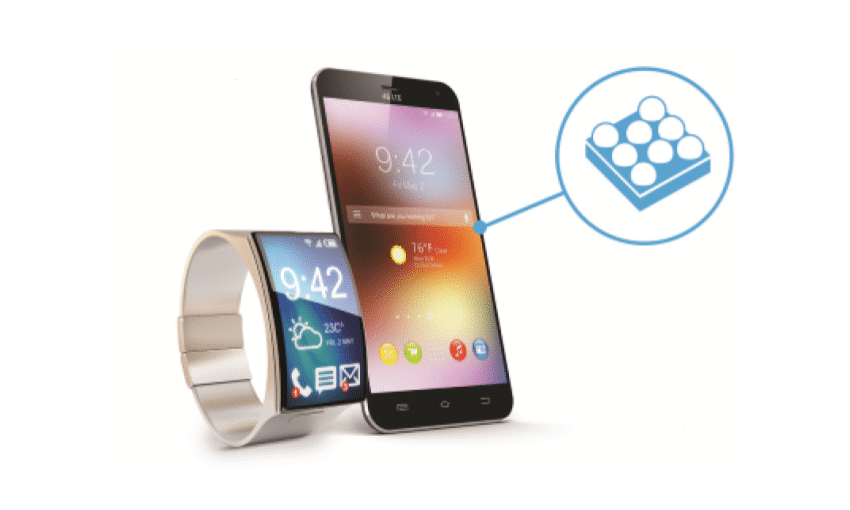
International eSIMs are now making it seamless to keep your smartwatch and laptop constantly connected while traveling. Instead of fumbling with physical SIM swaps or hunting for Wi-Fi, your watch can mirror your phone’s data plan, letting you take calls and stream music during a run. Your laptop can instantly activate a local data profile for heavy tasks like video calls or cloud uploads, all managed through one app. This means you can leave your phone behind for a quick errand or work from a café without hotspot hassles.
International eSIM integration lets your smartwatch and laptop share one travel data plan, so you stay connected everywhere without needing your phone nearby.
Regulatory Shifts That May Lower Costs Further
Ongoing regulatory shifts are likely to force providers to unbundle core network services, allowing users to purchase data, voice, and SMS separately for international eSIM plans. This disaggregation directly reduces overhead by eliminating the bundling of unused features. Additionally, mandates for transparent wholesale pricing between domestic and foreign carriers will cut hidden roaming markups. A competitive carrier access model may emerge, where local regulators grant virtual operators direct network access at cost-based rates, passing these savings to consumers as lower per-gigabyte charges for cross-border data.